"No One's Life Is Boring" Decoding the Worldview of a Documentary Filmmaker Who Spent 6 Years Making a Single Film, Only to Be Rejected by 30+ Festivals: Aekaphong Saransate
Read 0
The imagery of success is always sweet. Especially when a documentary film manages to smash box office records, has its rights purchased for streaming on a global platform, and receives up to 4 nominations at the Suphannahong National Film Awards, winning the category for Best Documentary Features.
However, for Aekaphong Saransate, the director, cinematographer, and editor of Breaking the Cycle, he views those successes as merely a brief scene lasting just 45 days, compared to the sweat and wounds of a full 6 years that he had to spend roughing it out with the project.
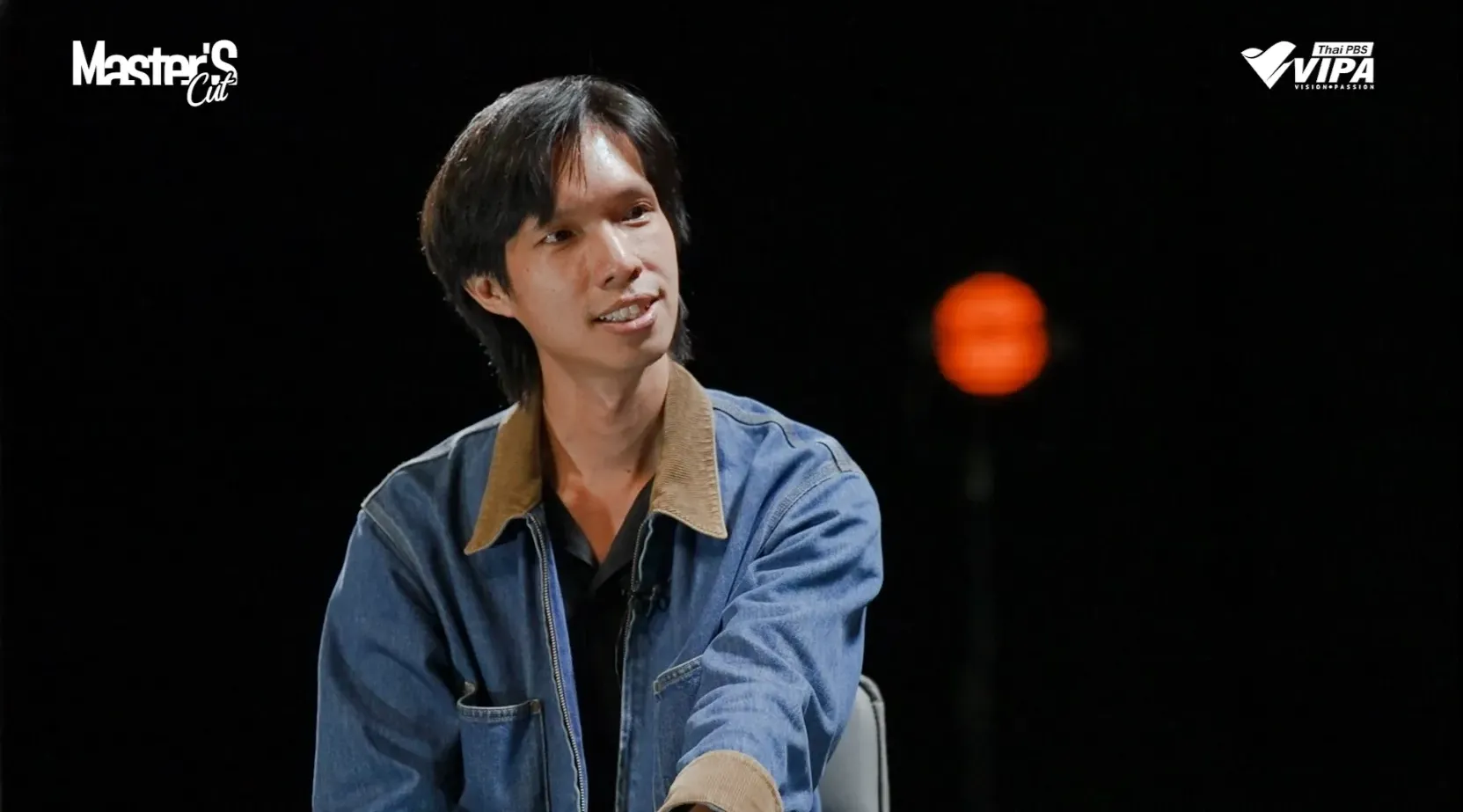
In today's Master’s Cut episode, we invite you to read the story behind the camera lens, peel back the layers of reality in making an indie film, explore the state of mind after finishing a mammoth project, and flip through the "spreadsheet of failures" that a documentary filmmaker had to pay to earn the right to assemble reality.
Breaking the Comfort Zone, Into the Reality with dust
Back in the beginning, Ekapong was just like any other film student entering the industry with the romantic dream of making movies. But when the world of capitalism started, he ended up working as an advertising editor. His life’s routine revolved around receiving hard drives, sitting in a square room editing drafts from morning till midnight, and seeing the same group of people.
The breaking point arrived when he dared to question himself, "If I’m going to be a filmmaker, what am I going to write about? If our society is only this small, where on earth am I going to get our life experiences from?"
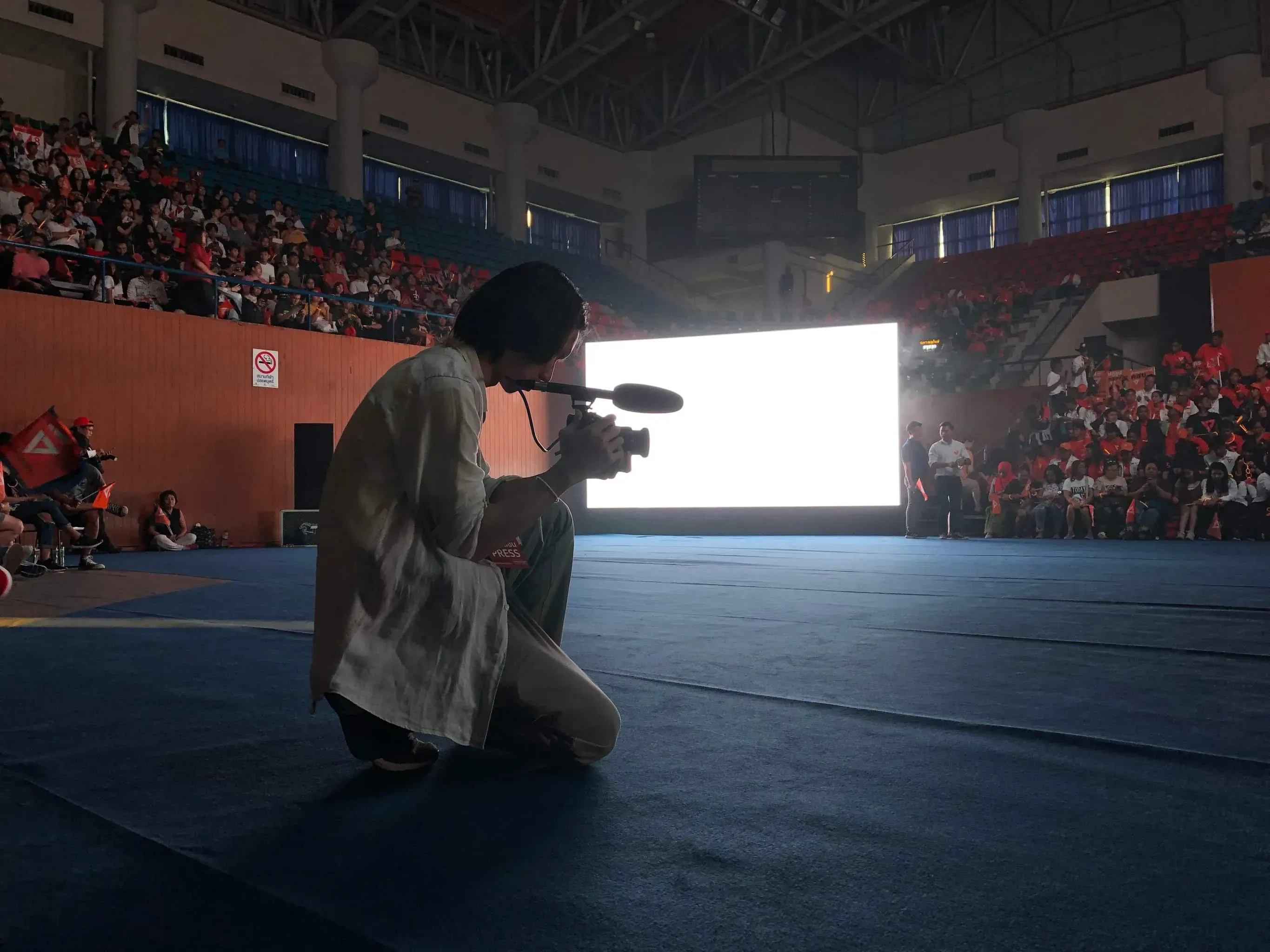
The decision to jump out of the advertising loop led him to grab a camera and shoot documentaries about children all across the country which opened the door to a whole new world. He saw laborers sleeping cramped together in a tiny sewing room in the Nana area, children whose mothers picked tea leaves while they had to trek across mountains just to learn Chinese. These images hit his emotions with full force, becoming the catalyst that shaped him into a documentary filmmaker hungry to tell the stories of "human beings."
Power in the Editing Room, and the Choice of "Truth"
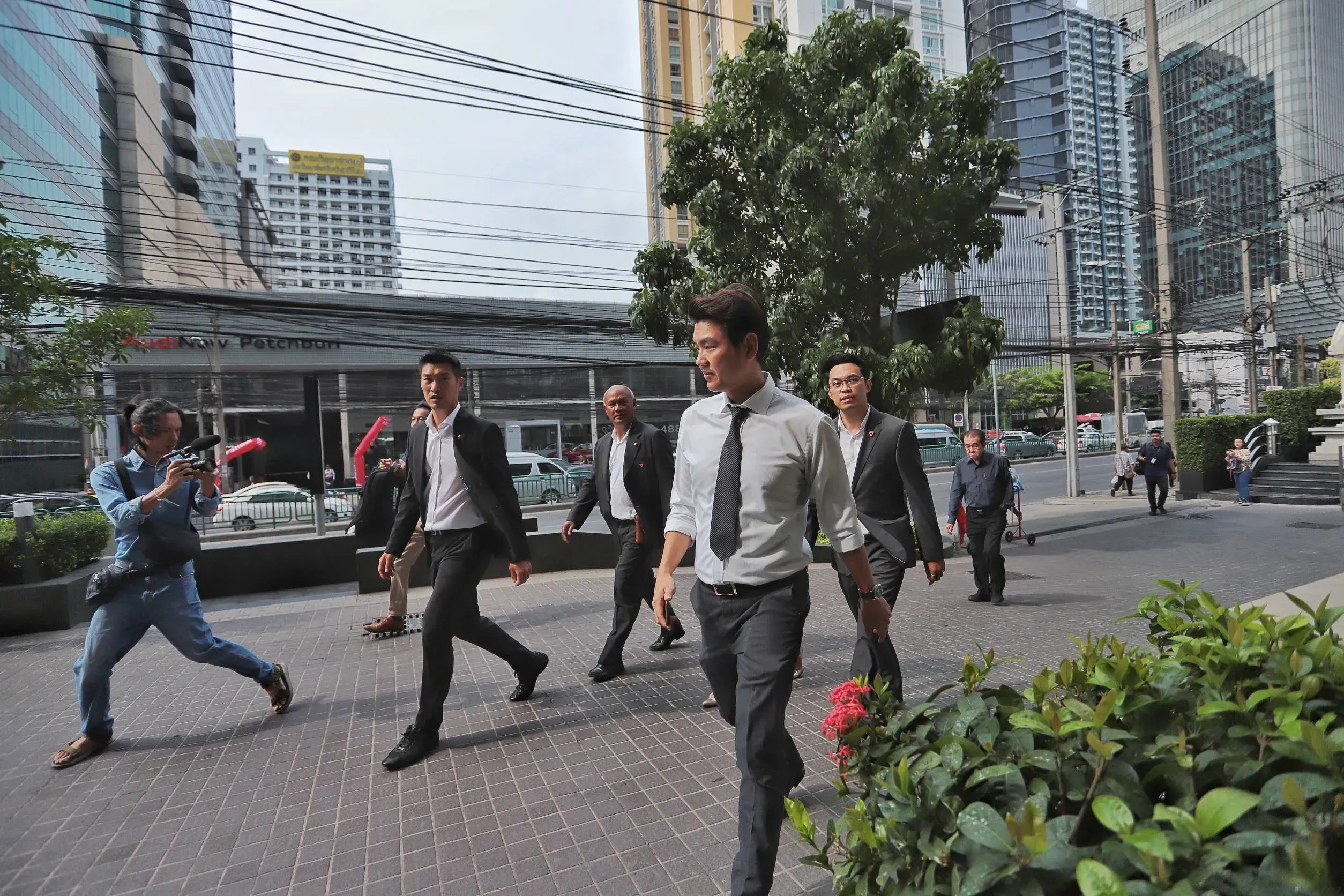
When stepping into making a political documentary that shook society like Breaking the Cycle, one issue that documentary filmmakers must face is "the line of distortion." Ekapong wore the hats of both director and editor, and it is undeniable that this meant holding the power to dictate the fates of the people on screen.
However, he views this matter with an understanding of the nature of cinema.
There is no way we can gather the entire truth into a single movie. Otherwise, why don't we arrange the footage chronologically according to the timeline and export an 8-hour film for the audience? What makes cinema different from the news is its emphasis on emotion and feeling. It is unavoidable that those things come from the director's direction.
In his opinion, making a documentary is about presenting a Subjective Truth. The most important thing is not telling every single detail of every second, but being "honest with oneself" about why we are doing this, what our standpoint is, and executing it to the best of our ability according to cinematic tradition while maintaining an awareness of the Power Dynamic between the filmmaker and the subject.
No One's Life in This World... Is Boring
From a camp kid who once had to stand holding a microphone with shaking hands, pitching a project to request funding for his first documentary, like The Sea Recalls (Kleun Songjam), a project that Aekaphong said, even if he didn't get the funding, he would tell anyway to recount the story of his uncle who was murdered. Today, Ekapong has stepped up to assume the role of a judge in the VIPA Pitching Project 2026 under the theme "Behind the Scenes: Behind the Power of Ordinary People."
When asked what the dividing line is between a boring ordinary person and a powerful ordinary person worthy of making a movie about? His answer was simple but powerful.
No one in this world is boring... it just depends on which angle or perspective the filmmaker captures to tell their story.
Aekaphong explained that many times when a documentary turns out boring, it is not because the subject's life is boring, but because the filmmaker "is not into it" and fails to see the specialness in what they are conveying. A story can only become special when the filmmaker feels it is special. It requires the eyes and perspective of the director to overlay onto a person's life. If you lack passion, no matter how thrilling or adventurous the life of the person in front of you is, the resulting work will remain dull and indifferent.
The Spreadsheet of Failure and 30 Defeats
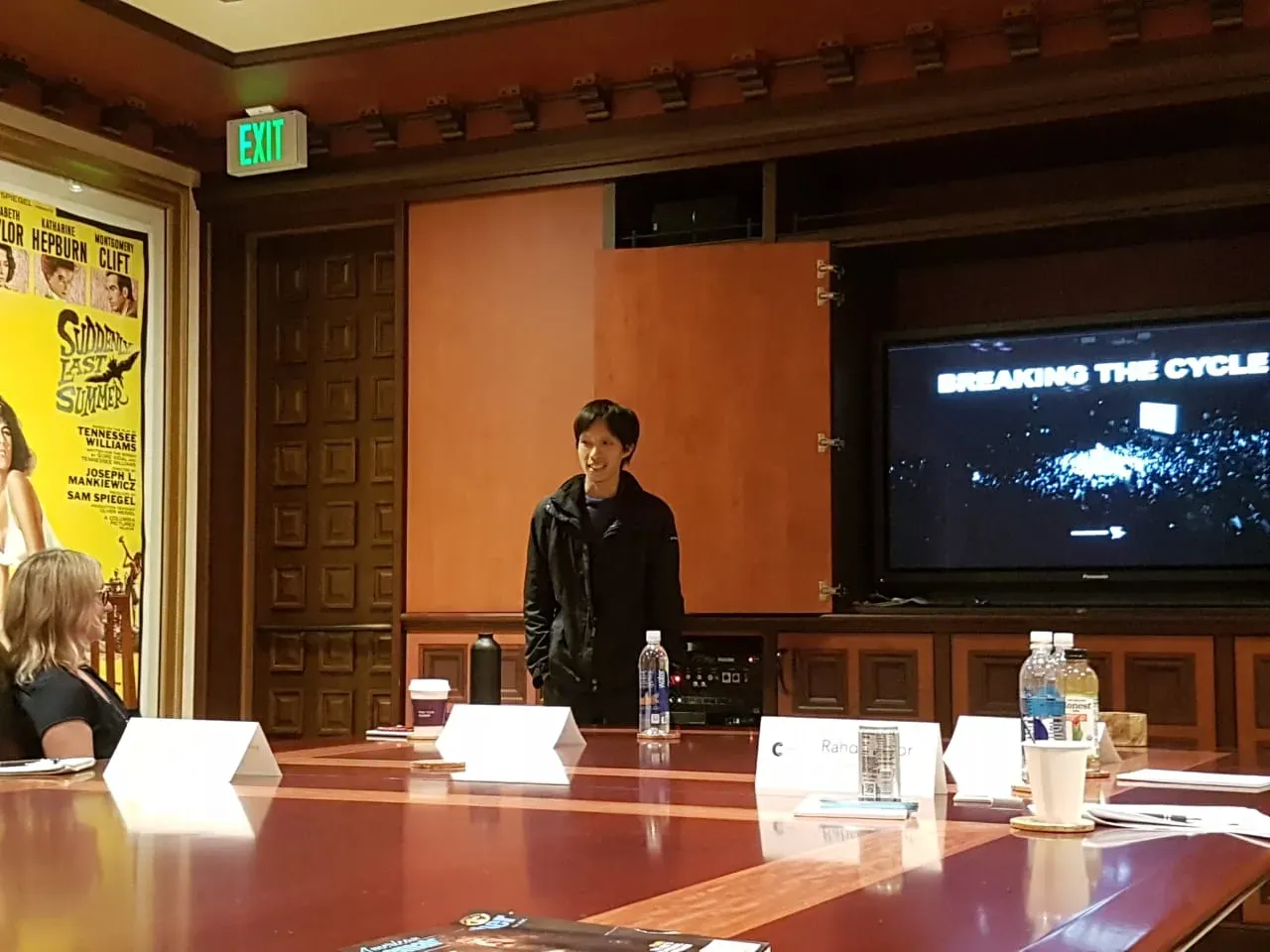
In the VIPA Pitching class, Aekaphong once opened a "Spreadsheet of Failure" for the project participants to see. It was a list of over 30 film festivals that had rejected his work. Amidst the rejection emails crashing in time and time again, what was the anchor that kept him from giving up?
"If everyone gets to make something that comes from our own unique voice, we believe that in some corner of this world, an audience for that movie exists." Ekapong emphasized that a movie itself is just a "computer file." It has no legs. It cannot walk to the audience on its own. It is the filmmaker who must take it out to face the world. He was rejected by Grade A, Grade B, and Grade C festivals until he almost threw in the towel. But in the end, this film was selected to screen at Hot Docs, which is the largest documentary festival in North America.
Many people make a movie, encounter bad comments, and then think it’s better to just keep it to themselves, not wanting anyone to see it. But who knows? At some point in the world, some people want to watch this. We must bring the film to meet its audience. Even if it's niche, it has its own audience out there.
The Hangover and the Journey that Never Ends
On the day the spotlight shines brightly, the day when everyone comes to congratulate him on the success of Breaking the Cycle at international festivals, Aekaphong recounts that in the end, when flying back to Bangkok and opening the door to his narrow 5,000-baht room, he still had to sleep alone.
Success, awards, and applause are merely external illusions bestowed by others. They are just tools that help "extend the lifespan" of the film. They do not alter his essence or leave him with a lingering hangover. This is because real life usually begins when the camera turns off, and we must return to confront our own reality.
Making a documentary film is not just about carrying a camera out to shoot other people’s lives, but it is a process of deeply exploring one's own soul and conviction. And for anyone who currently has a calling in their head, an idea to assemble reality into form, the VIPA Pitching Project 2026 is an Incubator Lab or a nurturing space ready for you to come and trial through error, and to project your unique voice for the world to hear.
In the end, within the spreadsheet of failure, there is always a blank space left for success. You only need to never stop walking toward it.
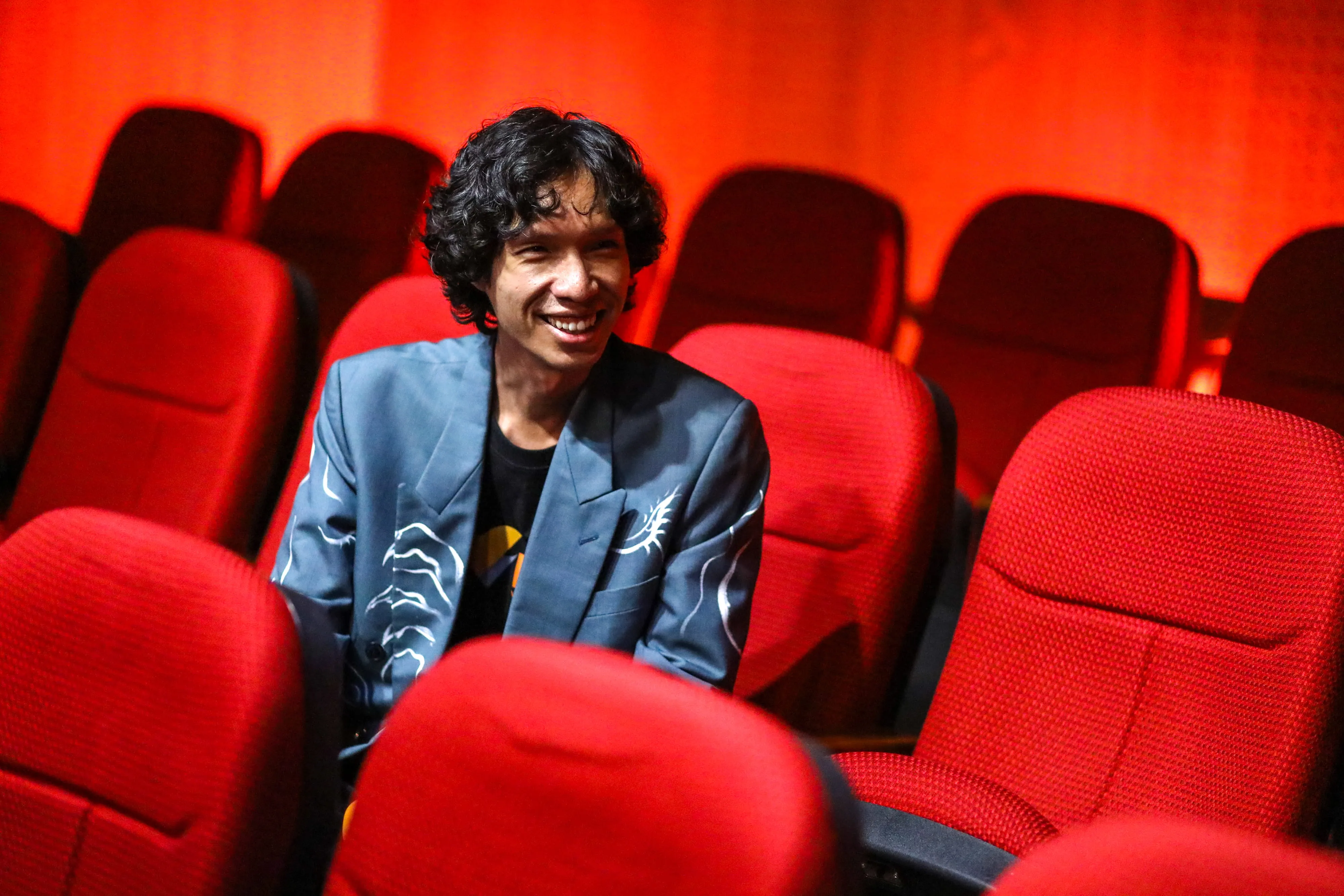
Follow the project of VIPA Pitching Project 2026 via www.VIPA.me/PitchingProject2026
About Author
Oakland Krist
a pop culturist who breathes it like air | a storyteller with pretty much still in the making | a little poetic but absurd at the same time